
Some policies are written on paper.
Agrasen wrote his own humanity.
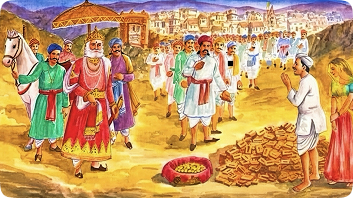
"Ek Eent, Ek Rupiya" — one brick and one rupee for every newcomer to Agroha — was more than generosity.
It was a social technology, thousands of years ahead of its time.
When migrants, traders, and families entered Maharaja Agrasen's kingdom, they were given:
A brick - a promise of shelter, safety, and home.
A rupee - a seed for enterprise, dignity, and new beginnings.
No other ruler of that era imagined a model where newcomers weren't liabilities but future pillars of prosperity.
Instead of conquest, Agrasen chose community-building.
Instead of taxes, he offered trust.
Instead of hierarchy, he built equality.
With one brick and one rupee, he ensured no one started from zero and no one rose alone.
Economists today speak of microfinance, start-up capital, social equity, and inclusive growth.
But Agrasen had already designed all of it in one stroke of wisdom.
And the Agrawal community still carries this blueprint.
You see "Ek Eent, Ek Rupiya" reflected in:
trust-based lending within business circles,
community funds for healthcare and education,
gaushalas, dharamshalas, and schools built through collective contribution,
entrepreneurs who mentor, guide, and invest in others without expecting returns,
families who believe that the best way to grow is to grow together.
The philosophy hasn't aged - it's only evolved.
Today, the "brick" may look like mentorship, opportunities, connections, or guidance.
The "rupee" may be capital, referrals, learnings, or support.
But the essence remains unchanged:
welcome, uplift, empower.
Agrasen built a kingdom where every new arrival strengthened the whole.
And today, every Agrawal business, trust, and community effort echoes that same truth:
Prosperity grows fastest
when shared at the start.
Some policies are written on paper.
Agrasen wrote his own humanity.
"Ek Eent, Ek Rupiya" — one brick and one rupee for every newcomer to Agroha — was more than generosity.
It was a social technology, thousands of years ahead of its time.
When migrants, traders, and families entered Maharaja Agrasen's kingdom, they were given:
A brick - a promise of shelter, safety, and home.
A rupee - a seed for enterprise, dignity, and new beginnings.
No other ruler of that era imagined a model where newcomers weren't liabilities but future pillars of prosperity.
Instead of conquest, Agrasen chose community-building.
Instead of taxes, he offered trust.
Instead of hierarchy, he built equality.
With one brick and one rupee, he ensured no one started from zero and no one rose alone.
Economists today speak of microfinance, start-up capital, social equity, and inclusive growth.
But Agrasen had already designed all of it in one stroke of wisdom.
And the Agrawal community still carries this blueprint.
You see "Ek Eent, Ek Rupiya" reflected in:
trust-based lending within business circles,
community funds for healthcare and education,
gaushalas, dharamshalas, and schools built through collective contribution,
entrepreneurs who mentor, guide, and invest in others without expecting returns,
families who believe that the best way to grow is to grow together.
The philosophy hasn't aged - it's only evolved.
Today, the "brick" may look like mentorship, opportunities, connections, or guidance.
The "rupee" may be capital, referrals, learnings, or support.
But the essence remains unchanged:
welcome, uplift, empower.
Agrasen built a kingdom where every new arrival strengthened the whole.
And today, every Agrawal business, trust, and community effort echoes that same truth:
Prosperity grows fastest
when shared at the start.
ABC Team
ABC Team represents the collective voice of the ABC community, sharing stories, insights, and wisdom that reflect the values and principles of the Agrawal business community. Through these articles, we celebrate our heritage, document our journey, and inspire continued growth and connection within our network.
Blog
Stories, insights, and wisdom from the Agrawal business community.
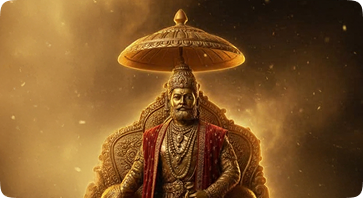
How Maharaja Agrasen's Philosophy Still Breathes Through Every Agrawal
Most kings built kingdoms. Maharaja Agrasen built a culture. History remembers him not for conquests or crowns, but for a civilisation shaped by compassion, equality, and enterprise a vision rare in an age ruled by hierarchy and hunger for expansion
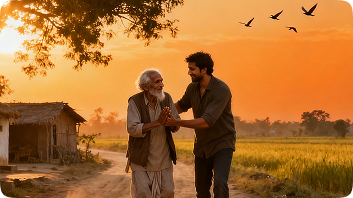
Kar Bhala, So Ho Bhala - The Ancient Equation of Goodness
Some philosophies fade with time. This one strengthened generations. “Kar Bhala, So Ho Bhala” - Do good, and good will follow. A simple line, believed to be rooted in the teachings of Maharaja Agrasen and carried through centuries by Agrawal families, traders, philanthropists, and communities.
The Timeless Economics of Ek Eent, Ek Rupiya
Some policies are written on paper. Agrasen wrote his own humanity. “Ek Eent, Ek Rupiya” one brick and one rupee for every newcomer to Agroha was more than generosity. It was a social technology, thousands of years ahead of its time.